
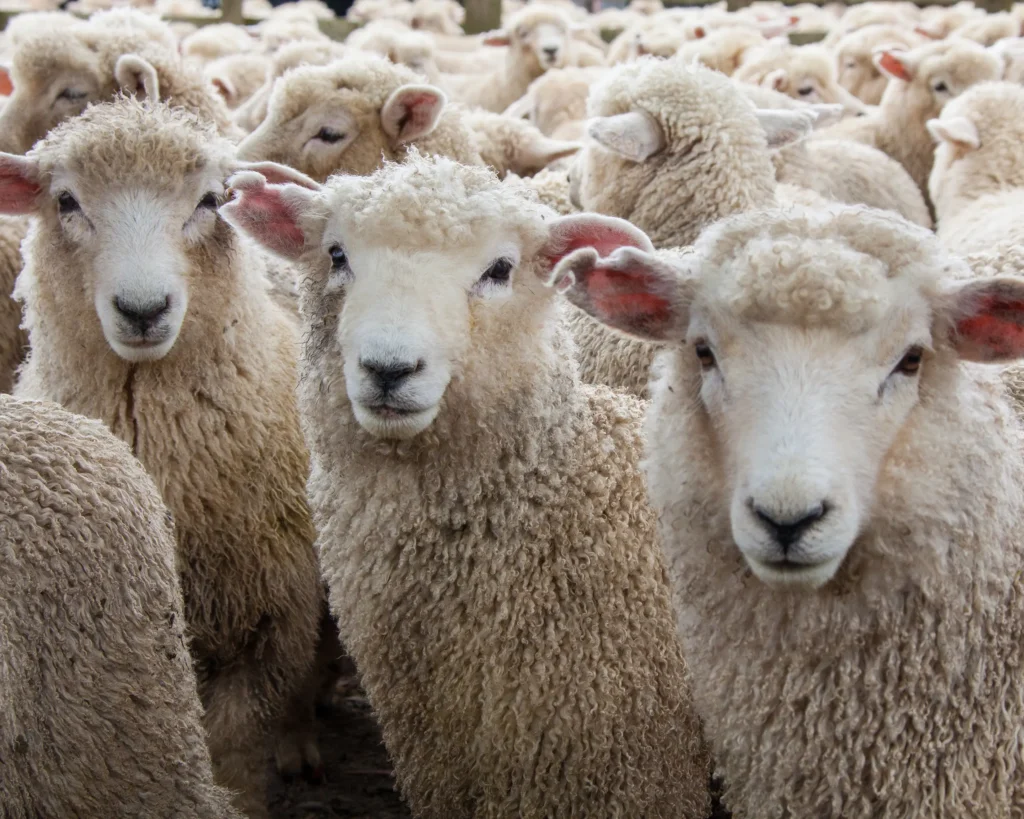
Obtaining animal ethics approval is an essential step in all research and teaching activities involving animals in New Zealand and Australia. However, delays in the ethics approval process can significantly impact project timelines, funding schedules, milestones, and research delivery.
Understanding the most common issues encountered during review can help researchers prepare stronger applications and improve the efficiency of the approval process.
1. Insufficient Detail About Procedures
One of the most common causes of delays is a lack of detail regarding animal procedures.
Applications should clearly explain:
- what will happen to the animals
- how procedures will be performed
- who will perform them
- the expected impacts on animal welfare
- monitoring and intervention plans
Researchers sometimes assume reviewers will infer standard practices, but ethics committees cannot assess welfare implications without adequate detail.
2. Unclear Scientific Justification
Committees need to understand why animal use is necessary and how the study design supports the project objectives.
Applications may be delayed if:
- the rationale for animal use is unclear
- the study design is poorly explained
- sample sizes are not justified
- alternative methods are not considered
Providing a concise but clear explanation of the scientific purpose can help reviewers assess the ethical balance of the proposal.
3. Incomplete Welfare Monitoring Plans
Applications should describe:
- expected adverse effects
- monitoring frequency
- humane endpoints
- pain management strategies
- contingency plans if animals deteriorate
Vague or incomplete welfare monitoring sections often lead to requests for clarification.
4. Inconsistencies Within the Application
Large or collaborative applications sometimes contain conflicting information between sections.
Examples include:
- differing animal numbers
- inconsistent procedures
- conflicting timelines
- mismatched personnel details
Carefully reviewing the application before submission can reduce unnecessary queries and revisions.
5. Missing Supporting Documentation
Depending on the project, this may include:
- standard operating procedures
- consent forms
- training records
- statistical justifications
- external approvals
Ensuring all required attachments are prepared before submission can streamline the review process.
6. Lack of Plain Language Explanations
Ethics committees often include members from diverse backgrounds, including laypersons and animal welfare representatives.
Applications that rely heavily on technical jargon or assume specialist knowledge can be difficult to assess efficiently.
Using clear and accessible language improves communication and often reduces follow-up questions.
7. Submitting Too Close to Project Deadlines
Researchers sometimes underestimate the time required for ethics review.
Even well-prepared applications may require:
- revisions
- committee discussion
- additional clarification
- resubmission
Submitting applications early allows time for the review process and reduces pressure on both researchers and committees.
Practical Tips for Improving Ethics Applications
Researchers can improve the efficiency of the review process by:
- starting applications early
- using clear and consistent language
- providing detailed welfare information
- checking for internal inconsistencies
- seeking peer review before submission
- consulting experienced ethics advisors where appropriate
Need Support With Animal Ethics Applications?
Obtaining animal ethics approval can be complex, particularly for research projects involving livestock, field studies, or regulatory programmes. EpiVets regularly supports organisations throughout the ethics application process, helping ensure submissions are clear, complete, and scientifically robust. Learn more in our Guide to Animal Ethics Approval.